
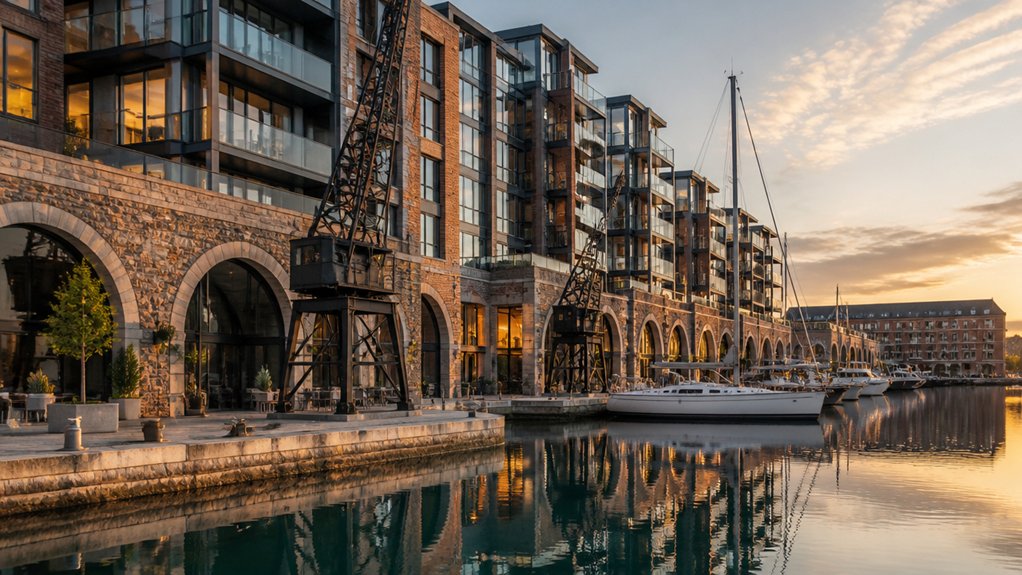
Revitalizing historic dockyards into elite waterfront apartments gives you more than a waterside address: you gain distinctive architecture, preserved maritime character, and direct access to shops, transit, workplaces, and culture. Thoughtful conversions pair original brick, timber, and iron with refined finishes, modern safety systems, and efficient infrastructure. Promenades, parks, and welcoming commercial spaces help turn former industrial sites into vibrant communities. Explore how building choices, amenities, and city connections shape a waterfront home with lasting appeal.
Key Takeaways
- Preserve cranes, warehouses, brick, timber, and iron to give waterfront apartments distinctive maritime character.
- Adapt structurally suitable dockyard buildings, balancing heritage conservation with modern layouts, comfort, and privacy.
- Inspect for corrosion and contamination, remove hazardous materials safely, and upgrade fire protection and emergency systems.
- Connect homes to the city with public promenades, reliable transit, shops, workplaces, and welcoming waterfront amenities.
- Create lasting value through sustainable design, accessible public spaces, and community features that support active, vibrant neighborhoods.
Why Turn Historic Dockyards Into Apartments?
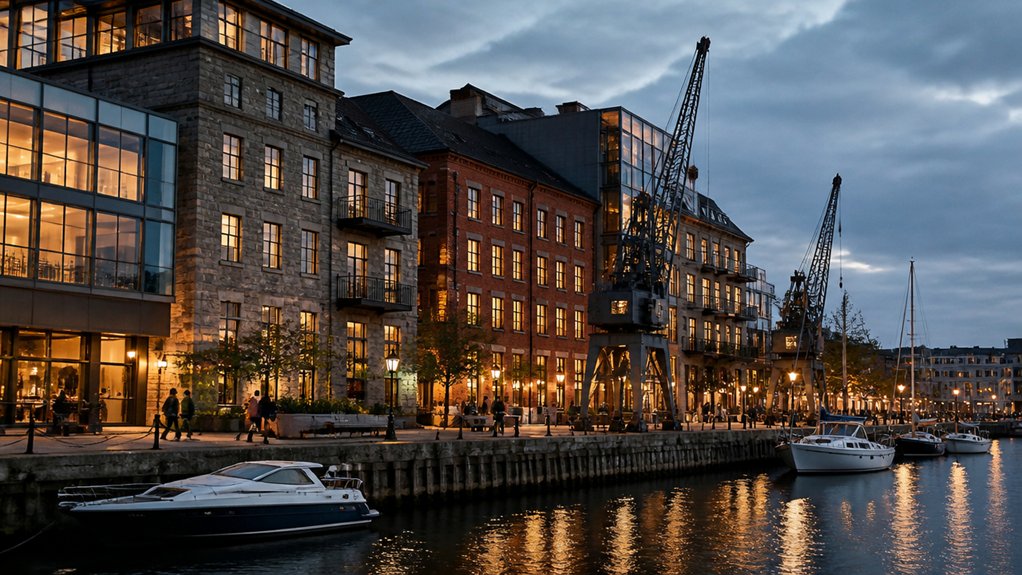
Historic dockyards offer developers a rare advantage: waterfront locations with character that new construction can’t easily replicate. When you convert these sites into apartments, you pair distinctive architecture with a setting buyers already value. Water views, historic brickwork, and generous industrial proportions help your project stand apart in a crowded luxury market.
Industrial renovation can also make financial sense. Existing structures may provide durable materials, established infrastructure, and architectural features that would cost more to recreate from scratch. With careful planning, you can preserve defining details while upgrading buildings for modern comfort and performance.
Adaptive reuse gives you a compelling investment proposition: a recognizable address, authentic design, and scarce waterfront positioning. Rather than compete on amenities alone, you offer residents a home with lasting character—and create value from a landmark that might otherwise remain underused.
How a Dockyard Becomes a Waterfront Community
You preserve the dockyard’s maritime heritage to give the development a distinctive identity and lasting value.
Thoughtfully designed waterfront homes turn that legacy into a compelling place to live.
With inviting shared spaces and public access, you build connections that make the community thrive.
Preserving Maritime Heritage
How can a former dockyard become a distinctive waterfront community without losing its maritime identity?
You preserve the working history that gives the site its value. Protect cranes, dry docks, slipways, warehouses, and other defining structures, then interpret their purpose through clear signage, guided walks, and public programming. Maritime preservation isn’t just a planning obligation; it’s a market advantage that gives residents a genuine connection to place and sets the development apart from generic waterfront projects.
Make the waterfront accessible, too. Open selected historic buildings for cultural uses, retain public routes along the water, and create spaces where local maritime stories remain visible. Heritage tourism can support nearby businesses while bringing visitors into the district beyond peak residential hours.
Designing Waterfront Homes
When a dockyard becomes a residential district, the waterfront should shape daily life—not just the view. You’ll want homes that frame the harbor while protecting comfort, privacy, and year-round usability. Orient living spaces toward the water, then use deep balconies, operable windows, and shading to manage sun, wind, and salt air.
Industrial aesthetics can give your apartment a distinctive edge: retain brick, steel, and timber where they add character, and pair them with refined finishes that feel current, not themed.
Sustainable design strengthens both performance and long-term value. Specify durable, low-maintenance materials suited to a marine climate, high-efficiency systems, and resilient detailing that limits moisture damage.
Plan flexible layouts and generous storage to support changing needs. With thoughtful choices, you’ll gain a waterfront home that feels authentic, efficient, and built to last.
Building Community Connections
A dockyard becomes a true waterfront community when shared spaces make it easy to connect beyond your front door. Thoughtful amenities turn historic character into daily opportunities to meet neighbors, host friends, and enjoy the shoreline together.
Picture a restored warehouse serving as a lively market, or a former pier welcoming residents to cafés, gardens, and public events. Industrial reuse preserves the site’s distinctive identity while giving underused structures a practical role in community life.
When you see Maritime traditions reflected in boat launches, heritage displays, and waterfront festivals, the past feels present—not merely preserved.
Well-planned paths link homes to these gathering places, making connection effortless. You’ll gain more than an exceptional address: you’ll join a neighborhood with shared experiences, enduring character, and lasting appeal.
That sense of belonging strengthens resident satisfaction and supports long-term value in a competitive waterfront market.
Which Dockyard Buildings Can Become Homes?
Not every dockyard structure suits residential conversion, but the right buildings can deliver distinctive waterfront homes without sacrificing their industrial character.
You’ll find the strongest candidates in robust warehouses, sail lofts, workshops, and former offices. Their generous floor plates, tall ceilings, and large windows can support flexible layouts and premium views, while original brick, timber, and iron lend homes character buyers can’t replicate in new construction.
Maritime architecture becomes a market advantage when you preserve defining features and pair them with contemporary design.
Assess each building’s proportions, daylight, access, and relationship to the water before committing. Some industrial relics may work better as shared amenities, galleries, or restaurants than as residences; forcing a residential use can dilute value.
Prioritize structures whose scale and setting suit modern living, and you’ll create distinctive homes with a compelling story and lasting appeal.
How to Make Historic Dockyard Apartments Safe
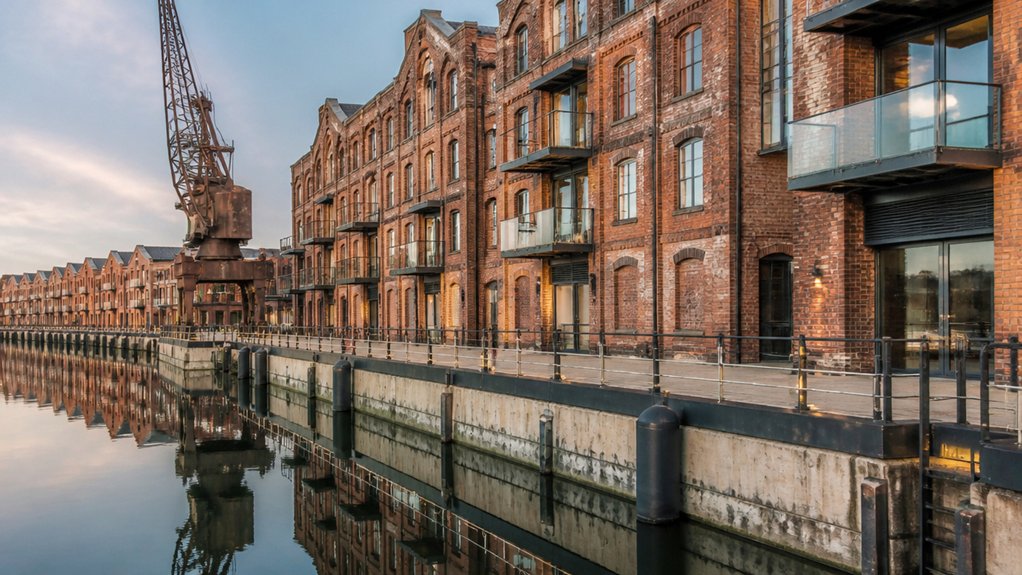
Historic dockyard apartments can command premium prices, but buyers expect character without compromise on safety. Your investment depends on proving that heritage features and modern protection can coexist.
Begin with a thorough structural survey: inspect foundations, masonry, timber, roofs, and former industrial spaces for corrosion, movement, and contamination. Engage conservation specialists early so historical restoration preserves significant fabric without concealing defects or weakening essential structures.
Start with a thorough structural survey and conservation expertise to protect historic fabric without overlooking defects or compromising safety.
Then bring fire engineers, access consultants, and building-control professionals into the design process. Upgrade alarms, compartmentation, escape routes, emergency lighting, and sprinklers where required, while respecting protected features.
Test for lead, asbestos, and other hazardous materials before work starts; plan safe removal and document results. Confirm safety compliance at every project stage, and retain clear records.
Buyers, lenders, and insurers will value independently verified protection.
What Waterfront Amenities Make These Homes Work?
To make waterfront apartments genuinely desirable, pair the outlook with amenities residents will use every day. A Luxury marina can add real value when it offers secure berths, dependable services, and attractive dining—not just a polished view. You’ll appeal to boaters while giving residents a lively destination close to home.
Waterfront parks matter just as much. Well-designed paths, shaded seating, lawns, and play areas invite daily use and make the shoreline feel welcoming, not private or ornamental. For former dockyards, these spaces should respect the site’s industrial character while providing comfortable places to relax.
Add practical touches such as bike storage, kayak launches, and clear wayfinding, and you’ll support active routines without overbuilding. The strongest amenity mix serves varied ages, seasons, and budgets, helping your homes stand out and sustain demand.
How Dockyard Apartments Reconnect With the City
When dockyard apartments reconnect to the city, they turn a once-severed waterfront into a practical part of daily life. You gain more than a waterside address: restored streets and public routes link your home to shops, workplaces, transit, and cultural destinations.
Thoughtful planning preserves Maritime history while opening former industrial land to residents and visitors. Historic cranes, warehouses, and quays become distinctive landmarks, giving the neighborhood a character new-build districts can’t easily replicate.
Thoughtful regeneration preserves maritime heritage while turning historic dockyards into distinctive, welcoming places for residents and visitors.
Urban regeneration also strengthens long-term value. Walkable connections encourage local businesses, improve access, and make the waterfront feel active beyond the residential gates.
Look for projects that integrate public promenades, reliable transport links, and welcoming ground-floor spaces. These features connect you to the wider city, support everyday convenience, and help transform a once-isolated dockyard into a lasting urban destination.
Frequently Asked Questions
How Much Do Historic Dockyard Apartments Typically Cost?
You’ll typically pay $500,000 to over $2 million for a historic dockyard apartment, with waterfront location, size, and condition steering the price.
Think of each listing as a tide: values rise with scarce views and restored character.
Architectural preservation and Luxury amenities can command a premium, while taxes, maintenance, and renovation needs affect your total cost.
Compare recent local sales, inspect the building, and budget beyond the asking price before you commit.
Are Dockyard Apartments Eligible for Historic Preservation Tax Credits?
Yes, your dockyard apartment project may qualify for historic preservation tax credits, but eligibility depends on the building’s designation, ownership, and rehabilitation scope.
Tax credit eligibility often requires income-producing use, certification as a historic structure, and approved work.
You’ll need to follow preservation guidelines and secure approval before construction begins.
Because rules vary by location and program, consult a preservation tax-credit specialist early to confirm incentives, documentation requirements, deadlines, and your project’s potential return.
What Financing Options Are Available for Purchasing a Converted Dockyard Home?
You can finance a converted dockyard home with a conventional mortgage, jumbo loan, portfolio loan, or cash purchase.
If the property’s condition or historic designation complicates approval, ask lenders experienced in heritage conservation and architectural restoration; some offer renovation financing, such as Fannie Mae HomeStyle or FHA 203(k), for eligible projects.
Compare rates, down-payment requirements, appraisal standards, and insurance costs.
Before committing, confirm the lender accepts the building’s title, condition, and intended use.
Can Residents Rent Out Their Dockyard Apartments as Short-Term Rentals?
You can rent out your dockyard apartment short-term only if its governing documents, local rules, and lender permit it—don’t let the siren song of vacation rentals drown out the fine print.
Check lease or condominium restrictions, licensing, taxes, insurance, and safety requirements before listing.
Strong property management can protect your investment and guest experience, but confirm fees and building access policies first.
Verify every requirement in writing before you book your first stay.
How Long Does It Usually Take to Complete a Dockyard Apartment Conversion?
You’ll typically see a dockyard apartment conversion take 2–4 years from planning approval to move-in, though complex sites can take longer.
Industrial heritage buildings often need structural repairs, environmental cleanup, and careful preservation.
Waterfront redevelopment adds infrastructure, flood protection, and permitting demands.
Your timeline depends on site condition, approvals, contractor availability, and financing.
Ask the developer for a phase-by-phase schedule, contingency allowance, and regular progress updates before you commit.