

Watch for an investment property priced far below comparable sales, since hidden repairs, title problems, or weak rental demand may explain the discount. Don’t trust rent projections without checking signed leases, payment records, local comparables, vacancy history, and management fees. Get qualified inspections and repair quotes, verify title, planning approvals, and rental restrictions, then calculate every cost—not just the deposit. Stress-test returns for vacancies, repairs, and higher interest rates. Keep going to see how these checks can protect your investment.
Key Takeaways
- A price far below comparable sales may signal hidden defects, title problems, weak rental demand, or a seller’s urgent need to sell.
- Unverified rental projections are a warning sign; check signed leases, payment records, local rents, vacancy history, and tenant arrears.
- Visible or suspected defects—including damp, roof damage, faulty wiring, or structural issues—can erase returns; get an independent inspection and repair quotes.
- Missing or unclear legal and planning documents may conceal ownership disputes, unauthorised alterations, restrictive covenants, or limits on how you can use the property.
- Returns that depend on perfect conditions are risky; include all costs, vacancies, regulation, rate rises, and repairs, and walk away if the numbers fail.
Spot Investment Properties Priced Too Low

A price far below comparable properties can look like a bargain, but it may signal costly repairs, title problems, or weak rental demand. Before you make an offer, compare recent sales for similar homes, not just asking prices.
Check Market trends across several months to see whether values are falling or the listing simply stands out. Ask the agent why the seller wants a quick sale, and verify the answer against public records and local listings.
Study neighborhood growth, too: planned transport links, new employers, or rising amenities can support future demand, while stalled development may limit appreciation.
Don’t let a low figure rush your decision. Request evidence for the valuation, review rental comparables, and compare the property with alternatives. If the price still seems unusually low, investigate the reason before committing.
Check Investment Property Repair Costs
Once you’ve checked why an investment property is priced low, estimate what it’ll cost to make it safe, rentable, and competitive. Book a thorough inspection, then ask qualified tradespeople to price urgent repairs and likely upgrades. Check the roof, wiring, plumbing, damp, heating, windows, and structural condition; cosmetic fixes can wait, but hidden faults can quickly erode your returns.
Build in a contingency for unexpected work, and confirm whether permits or specialist reports will add costs. Compare contractor quotes carefully, checking what each includes and when they can start. Use local Market trends to judge which improvements tenants value, rather than overspending on features that won’t strengthen demand.
Then revise your Property valuation to reflect the purchase price, repair budget, and realistic resale prospects. If the numbers don’t leave room for risk, negotiate or walk away.
Question Unrealistic Investment Property Rent
Don’t accept a rent estimate at face value; compare it with rates for similar local rentals. Verify the property’s rental history, and ask for records if the seller’s claims seem unusually high.
Check vacancy assumptions, too, since optimistic occupancy can make projected returns look stronger than they are.
Compare Local Rental Rates
Compare the asking rent with similar properties nearby before you trust an investment’s projected income. Check listings for homes with comparable size, condition, amenities, and access to transport. Focus on properties in the same neighborhood; citywide averages can conceal sharp differences between streets.
Look beyond advertised prices, which may exceed what tenants will actually pay. Compare several sources and note how long similar homes remain available. If you see a wide gap between the projected rent and local examples, ask the agent to explain it before you make an offer.
Market trends can help you judge whether rents are rising sustainably or whether a forecast assumes unusually strong growth. Consider how neighborhood development, such as new transit or competing housing, could affect demand.
Build your estimates around realistic local rates, not optimistic promises.
Verify Rental History
Local rent comparisons show what similar homes advertise for, but a property’s rental history can reveal what tenants have actually paid. Ask the seller for signed leases, rent ledgers, and bank statements that verify payments.
Compare the documents with the advertised income, checking dates, amounts, concessions, and who paid utilities. Lease discrepancies—such as a rent figure that differs from the lease or missing payment records—need clear explanations before you rely on projected returns.
Contact tenants only with the seller’s permission, and confirm lease terms directly where possible. Don’t accept screenshots or verbal assurances as proof; request original records and have your solicitor review them.
Rental scams can involve fabricated leases or inflated income claims, so verify every figure independently. If the evidence doesn’t support the stated rent, recalculate your offer using documented income instead.
Check Vacancy Assumptions
A rent estimate that assumes every unit stays occupied can make an investment look more profitable than it is. Before you buy, ask how the seller calculated projected income and what vacancy rate they used. Compare that figure with local rental data, not just optimistic claims.
Check how long similar properties typically sit empty between tenants, and factor in time for repairs, advertising, and screening. Market fluctuations can slow demand or force you to lower rents, while neighborhood trends may change who wants to rent nearby. Don’t rely on a single strong month or a full occupancy history from a different owner.
Build a conservative vacancy allowance into your cash-flow forecast. Then test whether you can still cover the mortgage, taxes, insurance, and maintenance if a unit stays vacant longer than expected. If the numbers only work at full occupancy, reconsider the deal.
Check Vacancy, Tenant and Management Risks

Review the property’s vacancy history to see whether projected rental income reflects actual demand.
Check tenant payment records and lease terms for signs of turnover or collection problems.
Confirm the manager’s fees, responsibilities, and track record before you rely on their projections.
Vacancy History
Why has the property sat empty between tenants? A long gap can signal more than bad luck, so ask for a dated rental history and compare advertised periods with actual occupancy. Check whether repeated vacancies followed repairs, seasonal demand, or difficulty attracting suitable renters. These patterns can reveal hidden costs and weaker income than the asking figures suggest.
Assess the property location against nearby employers, transport, amenities, and competing rentals. Then review market trends: have local rents, demand, or vacancy rates shifted since the property last attracted tenants? Compare similar homes, not broad averages, and verify claims with independent data.
If the owner can’t explain extended gaps or provide records, build a cautious vacancy allowance into your projections. A property that looks affordable on paper may deliver disappointing returns when empty periods recur.
Tenant and Management Risks
Even when vacancy patterns look manageable, tenant and management issues can still undermine returns. Before you buy, review leases, payment histories, deposits, and any unresolved disputes. Confirm that tenants’ terms comply with local rules, and don’t assume current rent will continue unchanged.
Market fluctuations can weaken affordability, increasing late payments or turnover just when you need steady income.
Assess who handles repairs, inspections, rent collection, and tenant complaints. If you’ll hire a manager, verify fees, references, service standards, and contract exit terms. If you’ll self-manage, budget for time, emergencies, and legal obligations.
Ask for maintenance records and check whether neglected work could trigger costly repairs or tenant claims.
Finally, stress-test cash flow against arrears, management costs, and financing challenges. A property that depends on perfect tenants or flawless oversight may not deserve your offer.
Check Legal Status and Planning Permissions
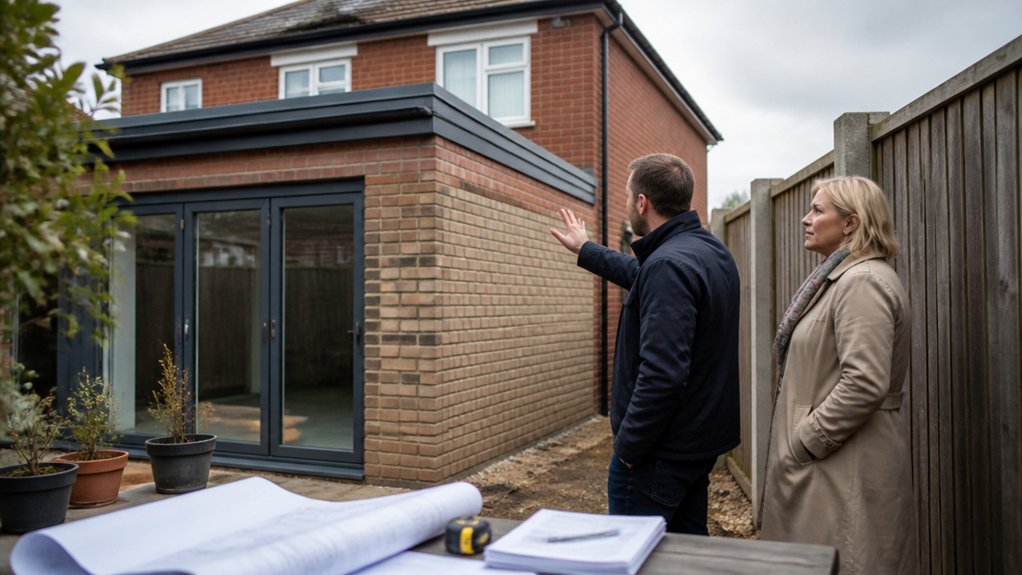
Before you commit to an investment property, confirm that its title, ownership, and planning permissions are in order. Ask your solicitor to check the title register for disputes, easements, restrictive covenants, or unclear ownership. These issues can limit how you use the property or delay a sale.
Don’t rely on an agent’s assurances; request copies of relevant documents and verify them with the local planning authority.
Check that existing extensions, conversions, and changes of use received the required approvals. Legal compliance matters, and zoning restrictions may prevent you from letting the property as planned or making future alterations.
If records are missing, seek professional advice before you exchange contracts. You’ll protect your investment by resolving uncertainties early, rather than inheriting a costly legal problem after completion.
Verify the Property’s Costs, Rent and Returns
Calculate the property’s full costs and realistic rental income before you commit. Include the purchase price, taxes, legal fees, repairs, insurance, management charges, and ongoing maintenance.
Ask for recent utility bills and inspect the property so you can budget for hidden defects rather than trust optimistic estimates.
Check comparable rents in the area, then account for vacancy periods, tenant turnover, and payment delays.
Study market trends, but don’t assume past growth guarantees future demand or rising rents. Confirm whether local rules limit rent increases or short-term lets.
Compare projected net income with your total investment, not just the deposit. Test returns against higher interest rates and unexpected repairs, and review your financing options carefully.
If the numbers work only under perfect conditions, negotiate a lower price or walk away. A clear, conservative budget protects your investment.
Frequently Asked Questions
What Should I Check About the Property’s Location Before Investing?
Before investing, assess Neighborhood safety by checking local crime data, visiting at different times, and speaking with residents.
Review Local amenities, including shops, schools, transit, healthcare, and parks, to gauge tenant appeal.
Check commute times, planned developments, noise, flood risk, and zoning changes that could affect demand or costs.
Compare rents and vacancy rates with nearby properties.
These checks help you judge whether the location can support reliable occupancy and long-term value.
How Can I Assess Future Demand for Properties in the Area?
To assess future demand, look for signals that the area’s growth engine is gaining speed. Track Market trends, including rents, vacancy rates, sale prices, and how quickly homes sell.
Study demographic shifts: Are more young professionals, families, or retirees moving in? Check planned transport links, employers, schools, and amenities, then verify timelines with local authorities.
Compare several years of data, not a single snapshot, and test whether projected demand supports your expected returns.
What Questions Should I Ask the Seller About the Property’s History?
Ask the seller when they bought the property, why they’re selling, and whether it’s been rented, vacant, or renovated.
Find out about past leaks, flooding, fire, pest problems, structural repairs, insurance claims, and disputes with neighbors.
Request dates, permits, warranties, and contractor details for major work.
Ask whether any defects remain and what’s been disclosed to insurers or authorities.
Clear Property disclosures demonstrate seller transparency; verify important claims independently before you commit to buying the property.
How Can I Spot Pressure Tactics During an Investment Property Viewing?
Treat a viewing like a chess match: pause, observe, and don’t let anyone rush your next move.
Spot pressure tactics when an agent invents competing offers, imposes a sudden deadline, or discourages inspections.
Watch for Emotional appeals, such as claims that another buyer’s dream depends on your immediate decision. These Negotiation tactics aim to cloud your judgment.
Ask for claims in writing, verify details independently, and leave if you need time to think.
When Should I Hire an Independent Property Surveyor?
Hire an independent property surveyor before you commit to buying, especially after your offer’s accepted but before contracts become binding. You’ll get an unbiased assessment of defects, repair costs, and potential risks.
Arrange a survey promptly if you spot cracks, damp, roof damage, or other Structural concerns, or if the property is older or altered.
Ask your solicitor to investigate Legal issues separately; a surveyor can flag concerns, not provide legal advice.
Don’t rely solely on an agent’s assurances.