

Before you invest in a rental property, ask an estate agent four practical questions: What rent can you expect, based on recent comparable lets and realistic year-round demand? How does the asking price compare with recent sales of similar homes nearby? Which costs—including management, maintenance, insurance, taxes, and vacancies—will reduce your net return? What legal, safety, planning, or repair issues could affect the property? Request evidence, not assurances, and verify key details before exchanging contracts. The answers can help you assess the investment with confidence.
Key Takeaways
- What rent can comparable properties realistically achieve, and what evidence supports the estimate?
- How does the asking price compare with recent completed sales of similar nearby properties?
- What are the likely costs, including management fees, maintenance, insurance, taxes, and vacancy periods?
- Are there known defects, legal restrictions, planning issues, or required safety and licensing checks?
- Which certificates, maintenance records, and disclosures should my solicitor review before exchange?
What Rental Income Could the Property Generate?

Before you invest, estimate the rent the property could realistically earn—not just the amount you hope to charge. Ask the estate agent for evidence, such as recent rents for comparable homes in the area, and check whether demand stays steady throughout the year.
Base your rental estimate on recent comparable rents and year-round demand, not just the amount you hope to charge.
Find out how the property’s size, condition, layout, and amenities affect its likely rent. Then subtract expected costs, including maintenance, insurance, taxes, vacancies, and Property management fees, to estimate your net income.
Ask how often tenants typically move out and how long vacant homes take to let. Discuss Tenant screening practices, too: reliable checks can help reduce missed payments and costly turnover.
Build a cautious forecast using realistic occupancy and repair assumptions. If the numbers still support your goals, you’ll have a stronger basis for deciding whether the investment suits you.
How Does the Asking Price Compare With Similar Properties?
Compare the asking price with recent sale prices for similar properties nearby, not just other listings. Ask your agent to identify comparable homes by size, condition, property type, and location, then explain any meaningful differences. A renovated flat shouldn’t be benchmarked against one needing major work, even if both sit on the same street.
Discuss Market trends: are prices rising, stabilising, or weakening, and how recent is the evidence? Ask whether the asking price reflects current demand or an outdated peak.
Neighborhood amenities, transport links, schools, and planned developments can also affect value, so check how they influence local comparisons.
Use the evidence to judge whether the seller’s price is realistic and where you might negotiate. Ask your agent to support their valuation with specific completed sales, not optimistic asking prices alone.
What Costs Will Reduce My Rental Returns?
To estimate your rental return accurately, subtract more than the mortgage: account for letting and management fees, insurance, maintenance, service charges, property taxes, and periods without a tenant.
Ask the estate agent for realistic figures for each expense, not just optimistic estimates. Find out whether management fees cover tenant sourcing, rent collection, inspections, and handling repairs, or whether these incur extra charges.
Maintenance costs can vary with the property’s age and condition, so request records of recent work and budget for unexpected repairs.
Confirm annual service charges and Property taxes, and check whether either has risen recently.
Also ask how long comparable properties typically sit vacant and whether seasonal demand affects occupancy.
With these figures, calculate your net yield and test whether the investment still meets your income goals if costs rise or rent falls.
What Property or Legal Issues Should I Check?
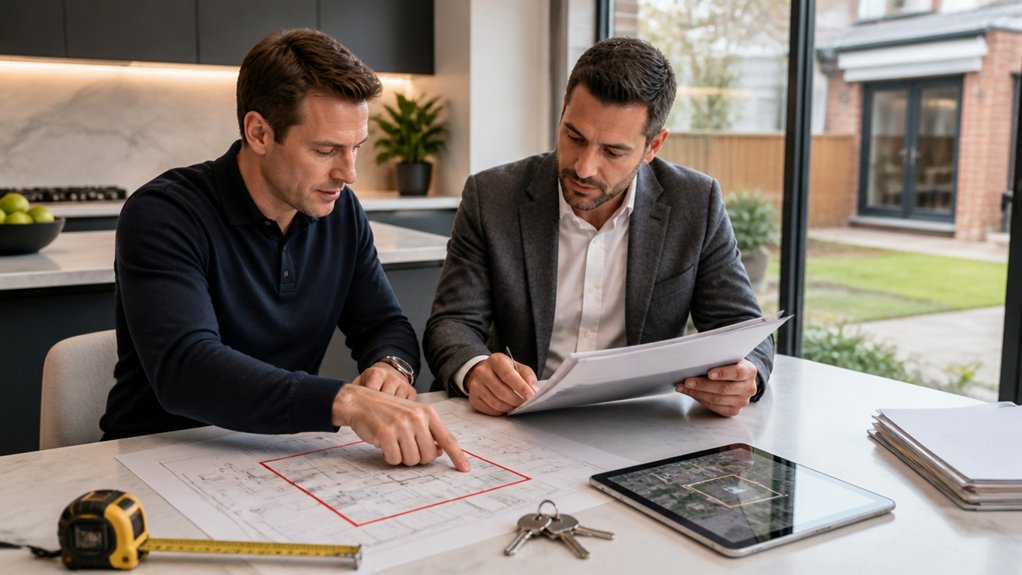
Check the property’s legal status and physical condition before you commit, since either can affect your costs, rental plans, or ability to sell. Ask the agent about title restrictions, easements, boundary disputes, planning permissions, and building regulations.
Confirm that any extensions or conversions have the required approvals, and check whether the property sits in a conservation area or flood zone.
Request a full Property disclosure, including known defects, past repairs, damp, structural issues, and disputes. Arrange an independent survey; don’t rely solely on the agent’s description.
Verify Legal compliance for gas and electrical safety, energy performance, fire precautions, and any licensing requirements for your intended tenancy. Ask which certificates and records the seller can provide, and have your solicitor investigate anything unclear.
Resolve concerns before exchanging contracts, so you can price repairs accurately, protect your investment, and avoid preventable delays or liabilities.
Frequently Asked Questions
How Long Has the Property Been on the Market?
Time tells a story: ask your agent exactly how long the property’s been on the market. Then check whether it’s been listed before, withdrawn, or relisted; that Property history can reveal pricing changes or stalled interest.
Compare the listing period with local Market trends to judge whether the home’s lingering unusually long or simply reflects seasonal demand.
Use the answer to negotiate confidently, but verify dates and reasons rather than assuming a long listing means a bargain.
Why Is the Owner Selling the Property?
You should ask why the owner is selling, then assess whether their reason creates an opportunity for you. Seller motivation can reveal urgency, flexibility on price, or a willingness to negotiate terms.
However, don’t assume a quick sale means a bargain; verify the property’s condition, title, and asking price.
Compare recent sales and Market trends in the area, and ask your agent to confirm any claims before you make an offer.
Are There Any Offers Already on the Property?
Ask the agent whether any offers are already on the property, and find out their amounts, conditions, and status. This information helps you judge the competition and decide how quickly to act.
Compare the asking price with a recent Property valuation and current Market trends before making your move.
Don’t let pressure push you beyond your budget; set a firm limit, then submit a clear, credible offer that reflects the property’s value.
What Is the Local Demand for Rental Properties?
Ask the agent to show you how many rental properties have recently let, how quickly they found tenants, and which property types attract the most enquiries.
Compare vacancy rates and typical rents across nearby streets, not just the wider area.
Check current Market trends and ask whether demand is seasonal or driven by local employers, transport, or universities.
Then assess realistic Rental yields against purchase costs, maintenance, and periods without rent before deciding whether the opportunity suits you.
How Quickly Could the Property Be Completed?
You could complete the property in six to twelve months, depending on planning approval, contractor availability, site conditions, and the project’s scope.
Ask the agent for a realistic Construction timeline, key milestones, and evidence supporting each estimate.
For Property development, confirm whether permits are secured, materials are ordered, and contractors are appointed.
Build contingency time into your plans, and clarify what might cause delays.
You’ll make better investment decisions when you understand both the schedule and its risks.