
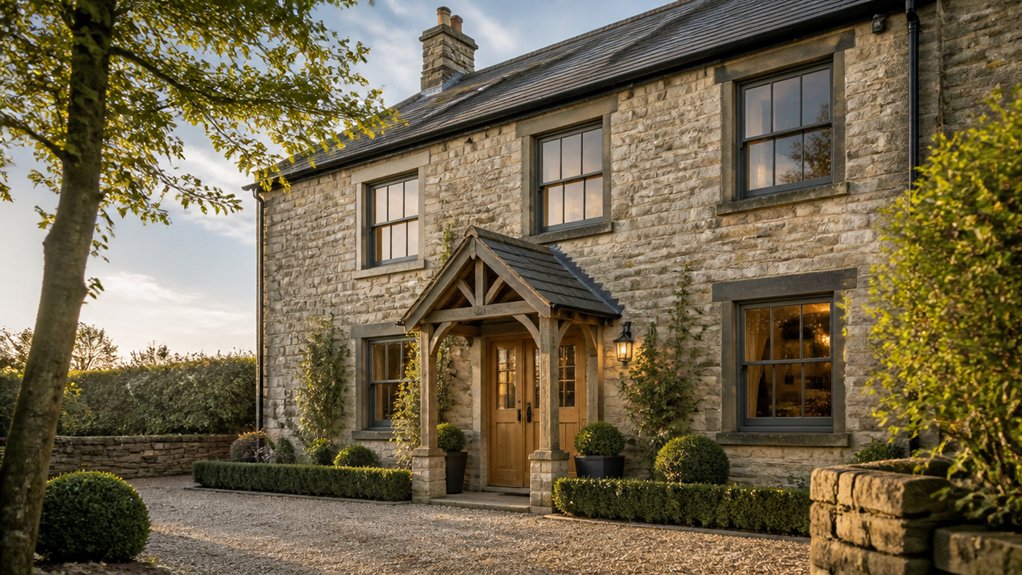
To turn a forgotten country pub into a desirable home, first confirm that local planning rules allow residential use and check for listed-building or conservation restrictions. Commission a thorough survey and cost plan to uncover structural, damp, roof, and services problems before setting your budget. Then secure planning and building approvals, design a practical layout, and preserve distinctive features such as beams or fireplaces. Upgrade insulation, heating, ventilation, and fire safety carefully. The steps below will help you plan each stage with confidence.
Key Takeaways
- Confirm residential use is permitted, and check planning history, heritage protections, conservation rules, and any required change-of-use consent.
- Commission a full building survey and measured cost plan, separating essential repairs, conversion costs, and contingency funds.
- Preserve character-defining features such as beams, fireplaces, and panelling, using suitable specialists and heritage-friendly repairs.
- Design a practical layout for everyday living, then upgrade insulation, heating, windows, plumbing, and electrics without causing damp.
- Improve fire safety, security, and outdoor appeal with compliant alarms, clear escape routes, robust locks, and thoughtful lighting.
Check Whether the Pub Can Become a Home
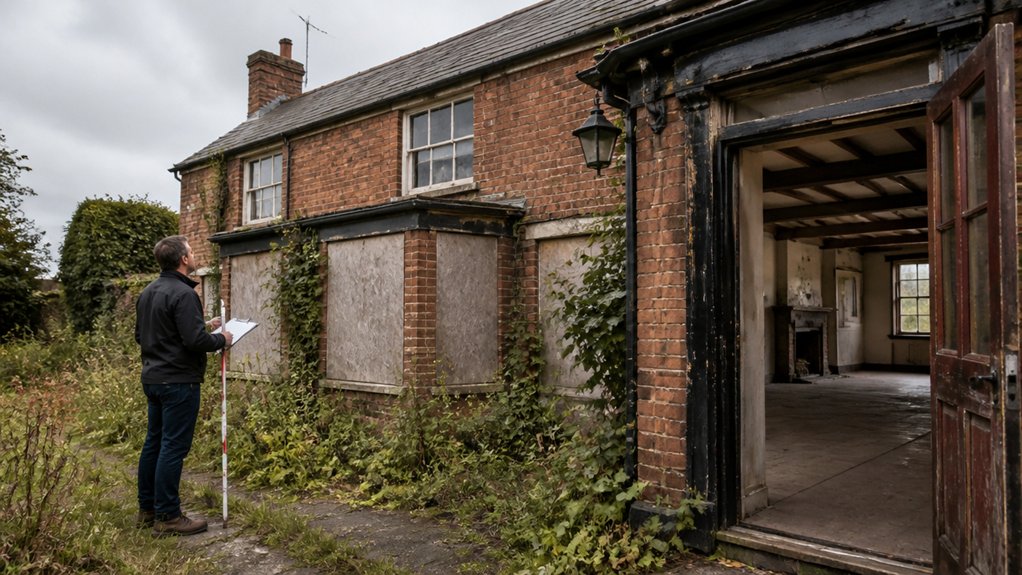
Before you plan a conversion, check whether the pub can legally become a home. Start by asking your local planning authority whether residential use is permitted or requires planning permission.
Check with your local planning authority whether a pub can become a home before planning a conversion.
A pub may have protected status, lie within a conservation area, or face restrictions under local policy. Confirm whether an asset-of-community-value listing or other designation affects your plans; don’t assume a closed business has no protections.
If the building has Historical significance, consult the relevant heritage officer before proposing changes. Listed status can limit alterations, while a conservation area may require careful design.
You should also consider community impact: residents may oppose losing a valued local gathering place, and their objections can influence planning decisions.
Review the pub’s planning history, speak with the authority early, and obtain clear guidance before committing to purchase or conversion.
Survey the Building and Estimate Conversion Costs
Once planning looks viable, commission a full building survey to uncover defects that could derail your budget. Choose a surveyor experienced with older commercial buildings, and ask them to inspect the roof, structure, damp, drainage, wiring, plumbing, and heating. Have them identify urgent repairs, likely hidden problems, and any specialist tests you’ll need.
Then request a measured survey and a realistic cost plan from a designer or quantity surveyor. Price essential repairs separately from conversion work, finishes, professional fees, contingencies, and temporary accommodation. Get itemised quotes, check assumptions, and allow a healthy reserve for surprises; old pubs often conceal costly defects.
Ask your surveyor to note features with Historical significance and consider the building’s community impact. Protecting valued details can shape your budget and strengthen the home’s character.
Get Planning Permission and Building Approval
With the survey and cost plan in hand, check with your local planning authority whether changing the pub into a home needs planning permission; a change of use usually does. Ask about local policies, application documents and expected timescales before you commit to work.
> Check with your local planning authority whether changing a pub into a home requires planning permission before committing to work.
If the building is listed or sits in a conservation area, heritage regulations may require consent for alterations, even when planning permission isn’t needed. Contact the council’s conservation officer early, and get specialist advice before proposing changes to protected features.
Your authority may also recommend community consultation, particularly if residents value the pub’s local history.
You’ll need building regulations approval as well. These standards cover matters such as fire safety, structural integrity, insulation and drainage. Submit plans to building control and agree inspections before construction begins.
Don’t start work until you’ve secured every required consent; unauthorised changes can trigger costly delays, enforcement action or restoration orders.
Plan a Layout That Works for Everyday Living
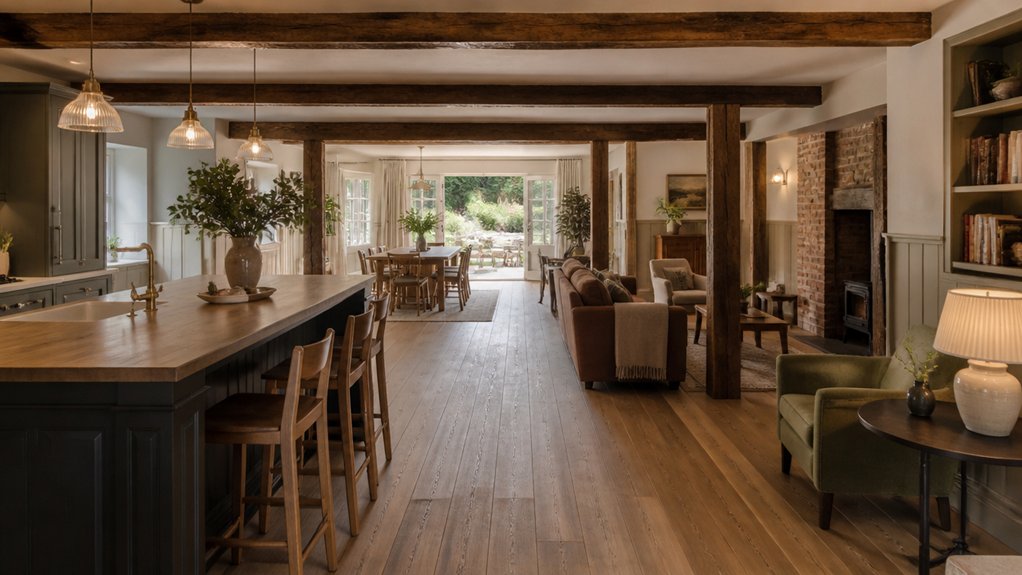
A pub’s open rooms and service areas rarely suit domestic routines without careful planning. Start by mapping how you’ll move through the house each day, from arriving with shopping to settling in for the evening.
Place the kitchen near dining and living areas, but give bedrooms quieter, private zones away from busy routes.
Assess existing walls, windows, plumbing, and stairs before proposing major changes; working with these features can control costs and simplify construction.
Convert oversized public rooms into practical spaces, such as a family room, study, or utility area, rather than leaving awkward, underused expanses.
Plan storage near entrances and bedrooms to keep everyday clutter manageable.
Consider how internal doors connect to the garden. Thoughtful access can support outdoor entertaining, while coordinated garden landscaping extends usable living space and makes the property function well in every season.
Keep Pub Character While Updating the Interior
Preserve original features such as beams, fireplaces, and timber panelling to retain your pub’s history.
Pair them with modern lighting and practical fittings so the interior feels comfortable, not dated.
Choose characterful finishes that complement the building and give each room a distinctive sense of place.
Preserve Original Features
Before modernising a former pub, identify the details that give it character, such as original beams, fireplaces, panelling, or signage. Record each feature’s condition and establish which elements you can retain, repair, or carefully restore.
These details connect the building to its historic significance and the local community, so don’t remove them simply because they look worn. Ask a conservation professional to assess fragile materials, uncover hidden features, and advise on suitable repairs.
Check whether the property is listed or lies within a conservation area; restrictions may affect your plans. Protect original fittings during construction, and use skilled tradespeople who understand traditional materials and methods.
Where a feature needs work, document it first and keep as much original fabric as possible. Thoughtful preservation gives your home an authentic identity and lasting value.
Blend Old And New
Once you’ve protected the pub’s original features, update the interior around them rather than making every room feel new. Let the building’s layout guide your choices: retain the welcoming flow between the former bar, dining room, and snug, while adapting spaces for modern living.
You might turn the bar area into an open kitchen and dining space, preserving its focal position without recreating a working pub. Improve comfort with discreet insulation, efficient heating, and thoughtful lighting, taking care not to obscure architectural details.
Consider the historical significance of features such as a serving hatch or fireplace; they connect your home to its past.
The pub’s community impact matters, too. Keep traces of its shared purpose, perhaps through a generous gathering room, so the property feels rooted in its village rather than stripped of identity.
Choose Characterful Finishes
Choose finishes that feel at home in a pub, not like a generic new-build. Let the building’s history guide your choices: retain original floorboards, exposed beams, brickwork, or panelled walls wherever they’re sound. These details preserve historic charm and give your home a sense of place that new materials can’t reproduce.
Update the interior with durable, practical surfaces that suit daily life. Choose natural stone or timber for worktops, hard-wearing paint for busy rooms, and warm, muted colours that complement existing features.
Add vintage accents, such as brass handles, reclaimed lighting, or an old pub mirror, but use them selectively so the rooms feel considered, not themed.
Before covering or removing anything, check whether it can be repaired. A thoughtful finish respects the pub’s character while making every space comfortable and functional.
Upgrade Services, Insulation, and Home Safety
A pub may have charm, but its services and safety systems need to meet the demands of a modern home. Start with a professional survey of the wiring, plumbing, heating, and drainage. Replace outdated systems before they fail, and plan capacity for appliances, bathrooms, and future needs.
Modern controls and efficient boilers can improve energy efficiency while keeping running costs manageable.
Insulate roofs, walls, and floors where practical, taking care to preserve historic features and prevent damp. Upgrade windows thoughtfully, and seal draughts without compromising ventilation.
Fit smoke and carbon monoxide alarms on every relevant level, and check fire doors, escape routes, and any existing chimneys.
Add security enhancements such as robust locks, exterior lighting, and an alarm. These upgrades protect your household, strengthen comfort, and help make the property safer and more appealing to future buyers.
Frequently Asked Questions
How Can I Research the Pub’s History and Uncover Its Original Features?
Research your pub’s history through local archives, historic maps, census records, newspapers, planning files, and conversations with longtime residents. Ask your local history society or conservation officer for leads, and check whether the building is listed.
To uncover original features, inspect exposed areas carefully for old beams, fireplaces, flooring, signage, and blocked openings. Compare findings with photographs and records, then consult a specialist in Historical architecture to interpret evidence and follow preservation guidelines before altering anything.
What Should I Consider When Choosing a Rural Property Solicitor?
Choose a rural property solicitor who knows the countryside’s winding legal lanes. You’ll want proven experience with rural purchases, listed buildings, access rights, easements, water supplies, and planning restrictions.
Ask how they’ll verify boundaries, review legal documentation, and coordinate searches before you commit.
Check their fees, availability, and communication style, too.
A solicitor who understands local issues can flag risks early, helping you assess property valuation and move forward with confidence, not costly surprises.
How Can I Find Tradespeople Experienced in Historic Pub Conversions?
Find experienced tradespeople through conservation architects, local heritage officers, and owners of recently converted historic buildings.
Ask your rural property solicitor to recommend vetted contractors, then check portfolios for comparable pub projects, references, insurance, and listed-building experience.
Discuss architectural preservation early, and confirm who’ll handle renovation permits and building regulations.
Obtain itemised quotes, verify timelines, and agree on written contracts.
Meet shortlisted tradespeople onsite; their understanding of the building’s character can protect its value and prevent costly mistakes.
What Insurance Is Needed While the Pub Is Vacant or Being Renovated?
An empty pub still needs active protection: arrange specialist vacant property coverage, then update it before work begins. Your insurance requirements depend on the building’s condition, location, and renovation scope.
Tell your insurer the property’s unoccupied, disclose planned structural work, and check exclusions for theft, escape of water, fire, and vandalism.
You may need separate renovation or contractors’ all-risks cover, plus public liability.
Review policy conditions regularly and maintain required inspections and security.
Could Converting the Pub Affect Its Business Rates or Council Tax?
Yes, converting the pub can change your business rates and council tax liability.
Once you stop trading, you may qualify for empty-property relief, but eligibility and duration depend on your council’s rules.
When residential use begins, you’ll generally pay council tax instead of business rates; a mixed-use property may face both.
Check with your local authority before work starts, and assess the Revenue impact and Business valuation implications with your adviser.
Your property’s classification matters.