
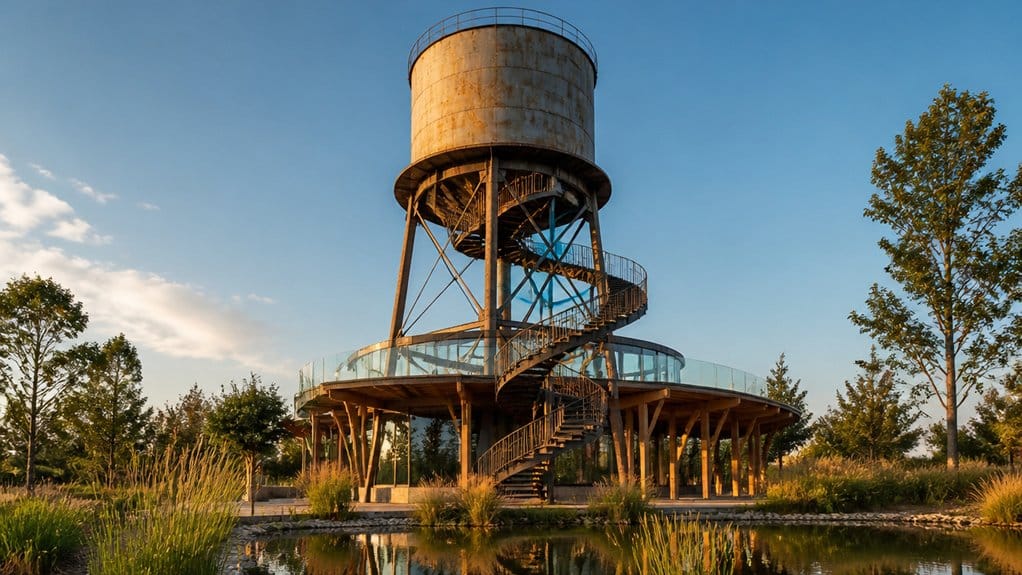
To transform a redundant water tower into a distinctive landmark, first confirm ownership, assess the structure and site, and understand planning and heritage requirements. Have an engineer verify load capacity, then choose a commercially viable use that suits the tower and community. Shape the design around its height and original features, while planning utilities, safe access, and construction logistics early. Before opening, test systems, accessibility, and visitor flow. The steps below can help you turn potential into a lasting attraction.
Key Takeaways
- Assess the tower’s condition, ownership, site access, utilities, heritage value, and development potential before committing to a design.
- Commission structural inspections and confirm load capacity, required repairs, planning permissions, building codes, fire safety, and accessibility standards.
- Create a coordinated construction and access plan covering deliveries, heavy equipment, worker safety, emergency routes, weather, and utility work.
- Shape the design around the tower’s structure and views, planning utilities, accessible routes, visitor facilities, wayfinding, and safety systems early.
- Open with a soft launch, then use tours and interpretive displays to showcase the tower while maintaining safe, reliable operations.
Assess the Tower’s Condition, Site, and Ownership
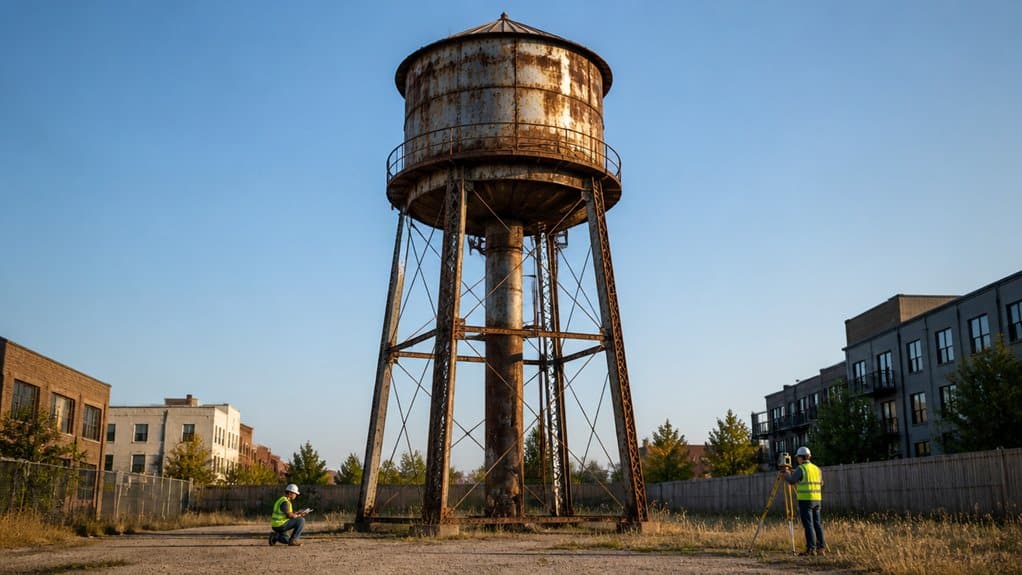
Before you invest in a water tower, establish what you’re working with. Commission a practical condition survey to identify corrosion, leaks, access limitations, and visible alterations. This early picture helps you estimate acquisition costs and judge whether the structure can support a viable commercial concept. Don’t confuse an impressive silhouette with a sound investment.
Assess the site’s visibility, transport links, neighboring uses, utilities, and development potential. Strong access and a distinctive setting can sharpen your market position; constraints may narrow your audience or increase operating costs.
Confirm who owns the tower and land, then clarify boundaries, title, easements, and any lease or purchase terms before committing funds.
Research its Historical context and invite Community engagement early. Local stories and priorities can reveal authentic uses, build support, and strengthen your proposition for visitors, partners, and investors.
Check Structural Safety and Planning Rules
Before investing in a water tower’s transformation, have a qualified engineer assess its structural integrity.
Check local planning rules early so you can shape a viable, market-ready design.
Then secure the required approvals to protect your timeline and investment.
Assess Structural Integrity
Can the tower safely support its next chapter? Before you invest in conversion, commission a qualified structural engineer to inspect the foundations, shell, internal supports, and connections. Ask for evidence, not assumptions: corrosion, cracking, water ingress, settlement, or fatigue can undermine safety and inflate costs.
Your assessment should establish load capacity for proposed floors, occupants, equipment, and new openings, then identify repairs and reinforcement with realistic cost ranges. This early clarity protects your budget, strengthens financing discussions, and helps you judge whether the project can deliver a viable return.
Consider Material durability alongside Historical significance: preserve sound original fabric where practical, but don’t let heritage value obscure structural risk. Use the engineer’s findings to shape a credible design brief, prioritize essential work, and decide whether the tower merits transformation before committing to acquisition or construction.
Review Planning Regulations
Once the structural assessment confirms what the tower can support, check planning rules before fixing your design or budget. Your local authority’s development plan can shape the tower’s permitted use, height, access, parking, and appearance.
Review zoning restrictions early: a home, hospitality venue, or workspace may face different limits, affecting both your concept and its commercial value. Check heritage considerations, too. A protected structure or conservation area may require sensitive materials, retained features, or a design that respects the tower’s setting.
Ask the planning department how these policies apply to your site, and examine nearby projects for useful context. Map constraints against your intended use, visitor numbers, and investment plan.
This early research helps you choose a realistic, marketable scheme, avoid costly redesigns, and set a credible budget before advancing the project.
Secure Required Approvals
With the design aligned to local rules, secure formal approvals before committing to construction.
Commission a qualified structural engineer to assess the tower’s foundations, frame, corrosion, and capacity for new loads. Use the findings to shape a safe, costed scope and support your permit application.
Confirm which planning permissions, building-code reviews, fire-safety measures, and accessibility standards apply; requirements can differ by location and proposed use.
If the tower has heritage status, consult preservation officers early. Historical preservation may affect materials, openings, signage, and construction methods, so resolve constraints before tendering.
Build community engagement into the approval process: share plans, address concerns, and explain public benefits such as new amenities or restored local identity.
Document decisions, conditions, and deadlines. Clear approvals reduce redesign risk, protect your investment, and help you present a credible project to funders, partners, and future occupants.
Choose a New Use the Tower Can Support
Before planning renovations, identify a use that fits the tower’s structure, location, and market. Assess local demand, access, utilities, and operating costs before committing. A boutique hotel, restaurant, event venue, studio, or observation attraction could generate revenue, but each requires a viable customer base and realistic business plan.
> Match the tower’s potential use to its structure, location, and market, and verify demand, access, utilities, and costs first.
Compare likely income with construction, maintenance, staffing, and insurance expenses; don’t let novelty obscure financial risk.
Consider innovative uses that serve a clear need, such as workspace, cultural programming, or a small community hub. Community engagement can reveal what residents value and build support for your proposal.
Consult nearby businesses, potential partners, and future users, then test interest through surveys or pilot events.
Choose a purpose that can sustain the tower over time, attract investment, and deliver measurable benefits — not merely an eye-catching concept.
Design the Conversion Around the Tower’s Shape
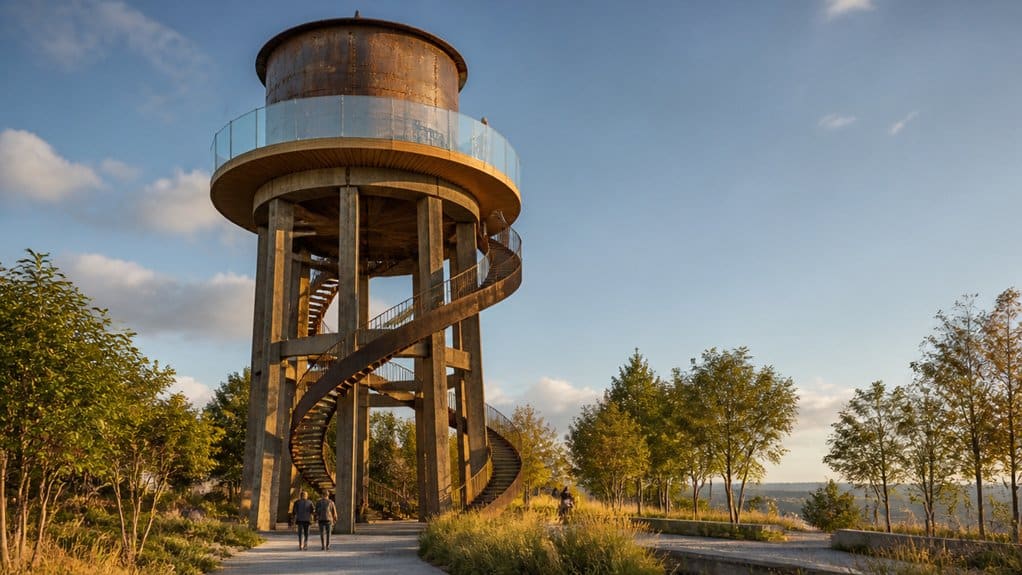
Let the tower’s geometry guide the conversion: its tank, supports, and vertical circulation can become defining features rather than obstacles. Shape each space around the structure instead of forcing a conventional floor plan into an unusual form. You’ll preserve the tower’s identity while creating a destination visitors remember and tenants value.
Use the tank’s height to frame dramatic views, or divide its interior into distinct zones that suit your chosen use. Treat the supports as sculptural elements, and make stairs part of the experience, not hidden infrastructure. Innovative aesthetics can distinguish your project in a crowded market, while Artistic integration can connect the tower’s industrial past with its new purpose.
Choose materials, lighting, and finishes that emphasize proportion and character. A coherent design turns constraints into a signature, strengthens appeal, and gives your landmark a clear, marketable identity.
Plan Utilities, Access, and Construction Work
You’ll protect your investment by confirming utility connections early, including power, water, drainage, and communications.
Plan safe construction access for crews, equipment, and materials before work begins. This coordination can reduce delays, control costs, and keep your tower conversion on schedule.
Plan Utility Connections
How will your water tower function as a landmark if it can’t support its intended use? Start utility connection planning early, before you finalize the design. Confirm available capacity, connection points, and service requirements with providers for electricity, water, drainage, telecommunications, and fire protection.
Your intended use—whether hospitality, workspace, or public attraction—will determine what systems you need and what upgrades your budget must cover.
Treat infrastructure integration as a design priority, not a late-stage fix. Map routes through the tower and coordinate them with structural, mechanical, and architectural plans. You’ll protect the landmark’s character while delivering reliable, discreet services.
Ask engineers to assess existing systems and identify constraints, then secure cost estimates and approvals. Clear utility plans reduce surprises, support a credible business case, and help your transformed tower open on schedule.
Coordinate Safe Construction Access
Before construction begins, establish safe, reliable access for crews, equipment, and deliveries. Map vehicle routes, pedestrian paths, loading zones, and emergency exits around the tower. Confirm that roads can support cranes and heavy loads, and schedule deliveries to prevent congestion near neighboring properties.
Set clear Safety protocols for working at height, lifting materials, and securing the site. Assign trained personnel to oversee access, inspect equipment, and coordinate contractors. Post signs, control entry, and brief every worker on changing conditions.
Plan Risk mitigation around weather, utility work, and the tower’s structural constraints. Keep fire and emergency services informed, and maintain an unobstructed response route. Coordinate work phases with suppliers and local authorities before crews mobilize.
A disciplined access plan protects people, limits costly delays, and helps you deliver a distinctive landmark with confidence.
Prepare the Converted Tower for Public Use
Once construction is complete, prepare the tower for the people who’ll use it. Confirm that every public route, stair, lift, and viewing area meets applicable accessibility, fire, and occupancy requirements. Add clear wayfinding, emergency lighting, handrails, and discreet safety barriers without compromising the structure’s character.
Prepare the tower for visitors with accessible routes, clear wayfinding, emergency lighting, and discreet safety features.
Test alarms, ventilation, lifts, and other essential systems before opening, and document maintenance responsibilities.
Design the visitor experience around the tower’s historical significance and aesthetic appeal. Interpretive displays, guided tours, and carefully placed viewpoints can turn its industrial past into a compelling reason to visit.
Provide accessible restrooms, seating, and ticketing where appropriate, then train staff to welcome visitors and respond to emergencies.
Check sightlines, crowd flow, and operating costs during a soft opening. A safe, polished launch builds public confidence, supports repeat visits, and strengthens the landmark’s appeal to tenants, partners, and funders.
Frequently Asked Questions
How Can a Community Raise Funds for a Water Tower Conversion?
You can fund a water tower conversion without asking the tower to sell its own souvenirs—though its views might help. Start with Community engagement: host workshops, gather pledges, and show residents a clear, costed plan.
Build fundraising strategies around grants, local business sponsorships, crowdfunding, naming rights, and ticketed events. Present the project as an investment in tourism, jobs, and civic pride.
Publish milestones and spending, so supporters see progress and keep giving.
What Grants Support the Adaptive Reuse of Historic Water Towers?
You can fund a historic water tower’s adaptive reuse through grants from state historic preservation offices, the National Park Service’s Historic Preservation Fund, and local heritage programs.
Check eligibility carefully: many awards require National Register listing, matching funds, or approved preservation plans.
You can also pursue community development, rural revitalization, and arts grants when your project delivers public benefits.
Strong Community engagement and clear Historic preservation goals will make your application more competitive and compelling.
How Can Local Residents Contribute Ideas to the Project?
You can shape the project by joining Community engagement activities and sharing ideas early. Attend Idea workshops, where you can propose uses, discuss accessibility, and help prioritize features residents will value.
Bring practical suggestions about local needs, potential visitors, and long-term upkeep. You can also complete surveys, speak at public meetings, or submit feedback online.
Your input helps the project team build a distinctive landmark that earns community support and attracts lasting investment.
Which Successful Water Tower Conversions Can Inspire a New Design?
The best inspiration comes from towers that turned storage into spectacle: Chicago’s Old Water Tower became a civic landmark, while London’s converted water towers now house striking homes.
Their irony is irresistible: structures built to hide water now attract attention. Study their reuse, access, and lighting, then shape your own innovative architecture around local demand.
Choose sustainable materials, add marketable public or residential uses, and make the tower’s history your strongest selling point.
How Can the Landmark’s History Be Shared With Future Generations?
You can preserve the landmark’s history by turning its story into an engaging, lasting visitor experience. Use Historical storytelling through interactive exhibits, oral histories, archival photographs, and guided tours that connect the tower’s original purpose to its renewed role.
Offer Educational programs for schools, families, and community groups, including workshops and digital resources. By making history accessible on-site and online, you’ll strengthen local pride, attract visitors, and guarantee future generations understand why the landmark matters.