

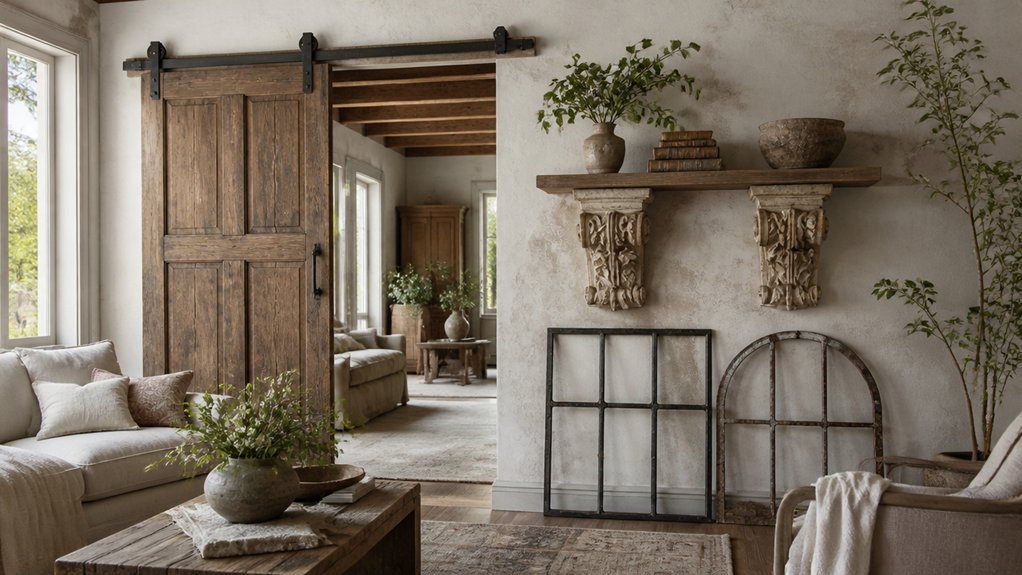
Turn reclaimed architectural features into standout details by choosing pieces that suit your home’s style, scale, and budget. Inspect each item for structural damage, pests, mold, and possible lead paint or asbestos before buying. Plan placement, measure carefully, and use proper anchoring or professional help for heavy features. Pair weathered wood, carved mantels, or vintage doors with clean-lined furnishings and modern lighting. Thoughtful care preserves their character, while smart sourcing and styling can make salvage your home’s most distinctive design investment.
Key Takeaways
- Choose reclaimed features that suit your home’s style and scale, and measure their intended placement before buying.
- Inspect pieces for structural damage, pests, mold, and hazardous materials; consult qualified professionals when concerns arise.
- Budget for transport, repairs, and adaptations, then source pieces from salvage yards, dealers, or online listings.
- Install features with appropriate hardware and reinforcement, especially for heavy or load-bearing elements.
- Pair weathered details with simple furnishings, and maintain them gently to preserve their character and longevity.
Find Reclaimed Features That Suit Your Home
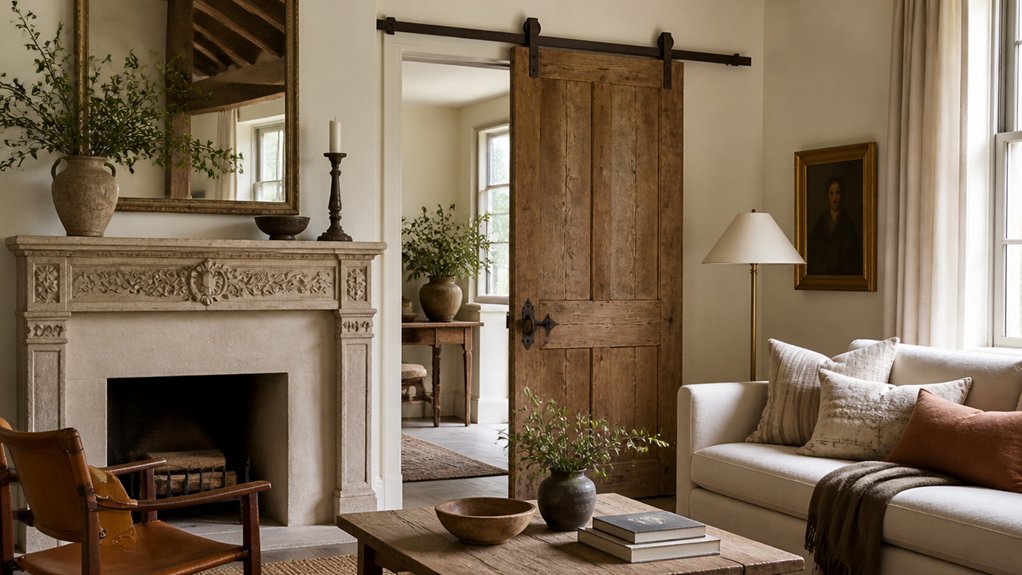
Start by matching reclaimed features to your home’s architecture, scale, and style. A carved mantel can anchor a traditional living room, while steel factory windows may suit a loft or contemporary renovation. Consider proportions, too: oversized doors can overwhelm a compact space, but a modest transom can add character without crowding it.
Before you shop, identify the role each piece should play. Do you need a focal point, architectural detail, or practical storage? Set a budget that includes transport and any adaptations, then compare local salvage yards, architectural dealers, and online listings.
Look for materials and finishes that complement your existing palette rather than compete with it. The right find delivers Vintage charm and supports Eco friendly choices, giving your home distinctive character while extending the life of useful materials.
Inspect Salvaged Pieces for Damage and Hazards
Before you buy, check reclaimed pieces for cracks, rot, loose joints, or other structural damage that could undermine their beauty and function.
Ask about hazardous materials such as lead paint or asbestos, especially in older finishes and building components.
A careful inspection helps you choose distinctive features with confidence—and avoid costly surprises.
Check for Structural Damage
Reclaimed architectural features can add history and character to a room, but only if they’re safe to use. Before you buy, inspect each piece for structural damage that could undermine its appearance or performance. Check beams, columns, mantels, and doors for deep cracks, splits, rot, loose joints, and warping.
Press gently on suspect areas; soft or crumbling wood may signal hidden decay. Look for termite damage, including narrow tunnels and weakened sections, and ask about the piece’s history if repairs seem extensive.
Consider how you’ll use the feature. A decorative mantel has different demands from a beam that must bear weight. If you’re unsure, have a qualified professional assess it before installation.
A careful inspection helps you avoid costly surprises, protect your home from foundation issues, and choose a salvaged detail that’s both striking and sound.
Identify Hazardous Materials
What’s hidden beneath a vintage finish can matter as much as its look. Before you bring a salvaged mantel, door, or tile into your home, check for hazardous materials that could affect your renovation budget and indoor air quality.
Older painted pieces may contain lead paint, especially if the finish is chipped, chalky, or layered. Don’t sand, scrape, or strip it yourself; disturbing the coating can release dangerous dust. Ask a certified professional to test the surface and recommend safe handling or removal.
Also look for suspected asbestos in old insulation, backing, or flooring, and watch for mold, pest residue, and chemical odors. If anything raises concern, pause the purchase or installation until an expert evaluates it.
A clean bill of health protects your household—and lets the feature shine with confidence.
Choose Where Your Reclaimed Feature Will Go
Choose a reclaimed feature that suits the room’s purpose, whether it adds storage, defines a focal point, or brings character.
Before you buy, measure the piece and map out its placement to guarantee it fits the room and supports how you use it.
A well-scaled feature feels intentional, not crowded in.
Match the Room’s Purpose
Before selecting a reclaimed feature, consider how you use the room and what you want it to do.
In a living room, an antique mantel can create a focal point and lend everyday gatherings vintage charm.
For a kitchen, salvaged shelving or a vintage door can add character while supporting practical routines.
In an entryway, an old architectural fragment can make a memorable first impression without competing with the room’s function.
Let your choices reflect how you live: a decorative screen might bring privacy to a bedroom, while reclaimed beams can add warmth to a dining area.
Eclectic mixing works best when each piece feels intentional and suits the room’s mood.
Choose features that complement your activities, reinforce your design direction, and give your home a distinctive story rather than simply filling space.
Plan for Scale and Placement
Once you’ve settled on a reclaimed feature, measure the room and map its placement before bringing it home. Check doorways, stairwells, and ceiling height, then compare the piece’s dimensions with nearby furniture. A salvaged mantel can anchor a living room, while an oversized door may overwhelm a narrow entry. Leave enough clearance for walking, opening cabinets, and everyday use.
Consider sightlines and natural light, too. Place architectural details where their craftsmanship will register without crowding the room.
Historical authenticity matters, but the feature should still feel intentional within your home’s layout. Assess material compatibility by comparing its finish, color, and texture with surrounding surfaces. A contrast can add character; a close match creates cohesion.
Mark the footprint with painter’s tape to test the scale before you commit.
Install Reclaimed Doors, Mantels, and Beams Safely
Reclaimed doors, mantels, and beams bring history and character to a room, but their age can hide loose joints, pests, or structural weaknesses. Before installation, inspect each piece for rot, cracks, insect damage, and old paint that may contain lead. Ask a qualified professional to test suspect finishes and assess structural elements.
Match the installation method to the feature. Hang doors on sound hinges, reinforce jambs, and check that they swing freely. Secure mantels to wall studs or masonry with hardware rated for their weight; never rely on decorative brackets alone. Have a contractor verify that beams can support their intended load, and anchor them properly.
Careful upcycling techniques preserve historical authenticity without compromising safety. With sound preparation and skilled installation, you’ll gain a distinctive feature built to last.
Style Reclaimed Features With Modern Decor
Pair reclaimed features with clean-lined furniture and restrained colors to let their age stand out without making the room feel dated. Set a carved mantel against a simple plaster wall, or let weathered beams contrast with smooth cabinetry. You’ll create a focal point that feels curated, not crowded.
Repeat one finish, shape, or tone elsewhere in the room to connect old and new without turning the space into a period set. For balanced contrast, mix a salvaged door with contemporary hardware, or place a vintage window frame near streamlined lighting.
These pairings highlight Vintage charm while keeping the overall look current and livable. Choose Eco friendly choices such as reclaimed wood alongside durable, responsibly made furnishings, and you’ll give distinctive architectural details room to shine while supporting a more thoughtful design story.
Protect and Care for Salvaged Architectural Details
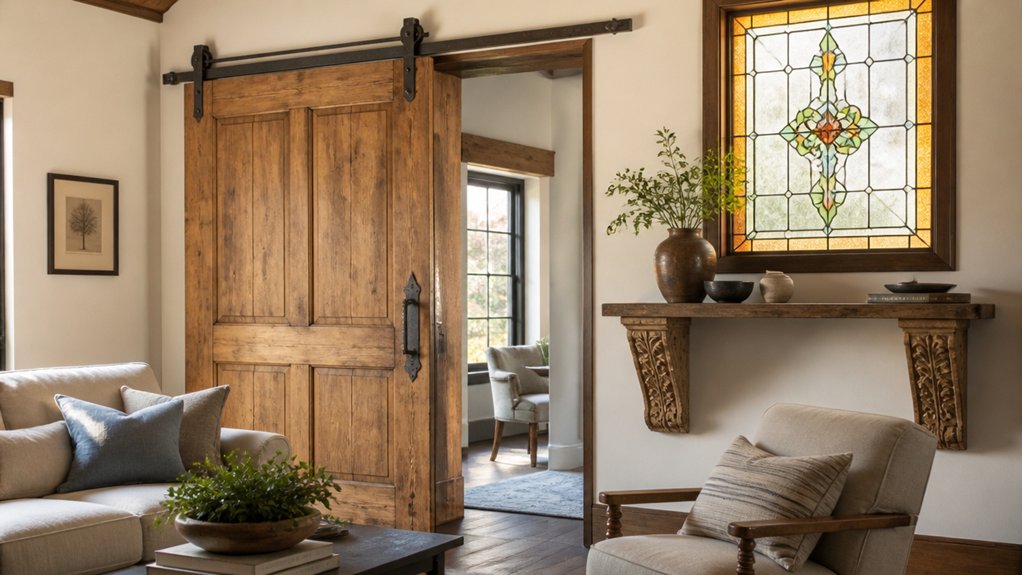
How you care for salvaged details depends on their material, age, and condition. Before cleaning, identify the finish and check for loose joints, pests, or lead paint. A gentle approach protects both the piece and your investment: dust wood with a soft brush, use a pH-neutral cleaner on suitable surfaces, and skip abrasive pads that can erase patina.
Keep wood away from excess moisture and direct sun; stabilize temperature and humidity to limit cracking. For metal, control rust without stripping character, and apply a compatible protective coating when needed. Ask a conservator to assess fragile or historically significant features before repairs.
Thoughtful maintenance supports historical preservation while keeping distinctive details market-ready. Reusing original materials also delivers environmental benefits, reducing demand for new products and keeping usable architectural elements out of landfills.
Frequently Asked Questions
Where Can I Find Reputable Architectural Salvage Dealers?
You can find reputable architectural salvage dealers through local preservation societies, historic-building organizations, and referrals from architects or restoration contractors.
Search directories such as the Building Materials Reuse Association, then check each dealer’s reviews, sourcing practices, return policies, and item condition.
Visit the yard in person to inspect materials and ask about provenance.
You’ll find distinctive doors, hardware, and mantels that bring Vintage charm and Unique design to your project.
Are Reclaimed Architectural Features Typically More Expensive Than New Alternatives?
Reclaimed architectural features can cost more than new alternatives, but you’ll find the cost comparison depends on rarity, condition, and restoration needs. A distinctive mantel or vintage door may command a premium, while common pieces can offer value.
Factor in transport, repairs, and installation before deciding. You’ll also weigh environmental impact: salvaged materials reduce demand for new production and bring character that mass-produced designs rarely match.
Shop carefully to balance budget and style.
Can Reclaimed Materials Increase a Home’s Resale Value?
Yes, reclaimed materials can increase your home’s resale value when they’re well chosen, professionally installed, and suited to local buyers’ tastes. You’ll attract design-conscious shoppers with Unique design elements, such as vintage doors or exposed beams, while Sustainability benefits can strengthen your home’s appeal.
Still, don’t assume every salvaged feature adds dollars: prioritize quality, safety, and cohesive styling, and compare costs with neighborhood expectations before investing. A thoughtful renovation can help your listing stand out.
How Can I Verify the History of an Antique Architectural Feature?
Start with seller stories, stamped signatures, and surviving paperwork. For Provenance research, ask the dealer for the feature’s original location, age, ownership trail, and any invoices or photographs.
Then check local archives, historic-building records, and specialist databases. Compare construction methods, hardware, patina, and materials with period examples.
Seek an independent architectural historian or conservator’s opinion, especially for valuable pieces.
To assess Restoration authenticity, request details of repairs and replacements, and inspect them closely before purchase.
Are Reclaimed Features Suitable for Renters or Temporary Spaces?
Yes—reclaimed features can suit renters and temporary spaces when you choose portable, reversible pieces. Prioritize Temporary adaptability: try a freestanding screen, salvaged mirror, or removable shelving that adds character without permanent installation.
Check your lease and Property restrictions before making changes; get written approval for anything that requires drilling or alters finishes.
Measure carefully, secure heavy items safely, and keep original hardware so you can restore the space when you move. You’ll add charm while protecting your deposit.